About Nice
More Than a Postcard — a City with Many Layers
About Nice
From First Impressions to Context
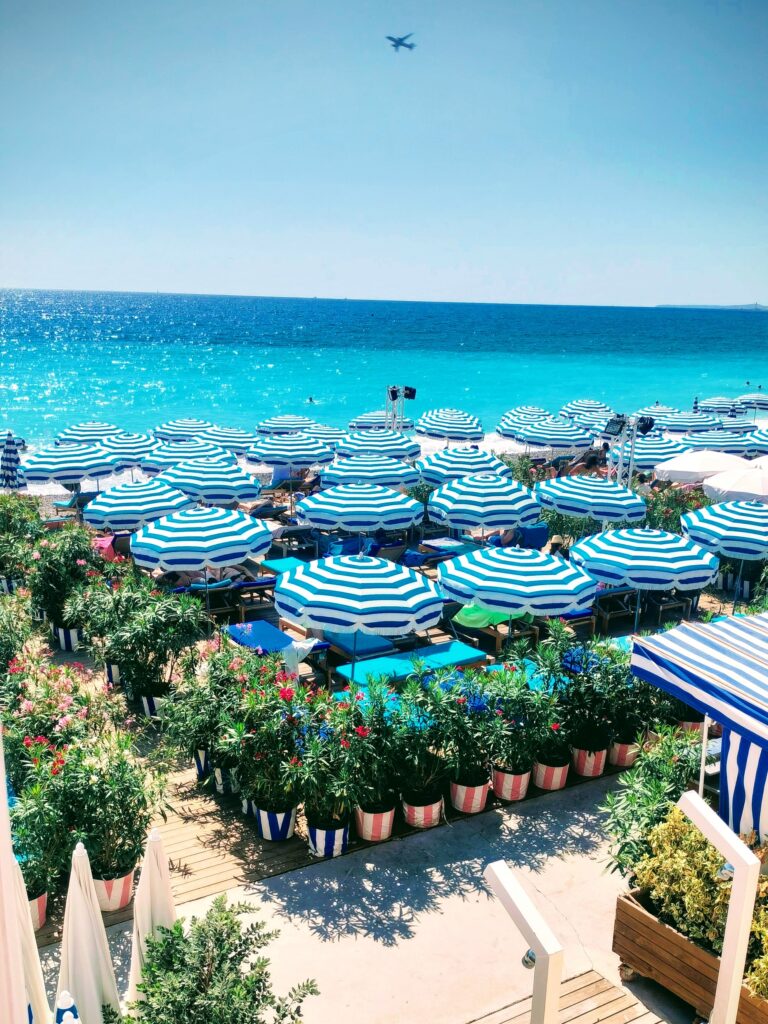
Many visitors arrive in Nice with a clear mental image, influenced by what is easiest to recognise: the sea, the light, and the palm-lined promenade. These elements are real, and the image is familiar for a reason — but it explains only a small part of the city. To understand Nice more fully, it helps to look beyond first impressions and consider how the city developed and how it functions today. Seen this way, Nice is not a collection of highlights, but a place formed by geography, changing borders, cultures, and practical choices, leaving traces that continue to define it.
A City Formed by Geography and History
Nice’s development has been shaped by its setting. With the sea on one side and hills rising immediately behind it, the city expanded within clear physical limits. Its earliest settlement was established by Greek traders, drawn to the natural harbour and strategic coastal position. Later, during the Roman period, urban life spread inland, creating parallel centres rather than a single, unified city.
For centuries before becoming part of France, Nice belonged to Savoy, an Italian-speaking state closely tied to the Italian peninsula. Political shifts over time influenced how Nice was built, administered, and connected to surrounding regions. Instead of replacing what came before, new layers were added — and many of them remain visible. This long process helps explain why the city feels structured in parts, irregular in others, and the result of accumulation rather than design.
Italian Influence in a French Framework
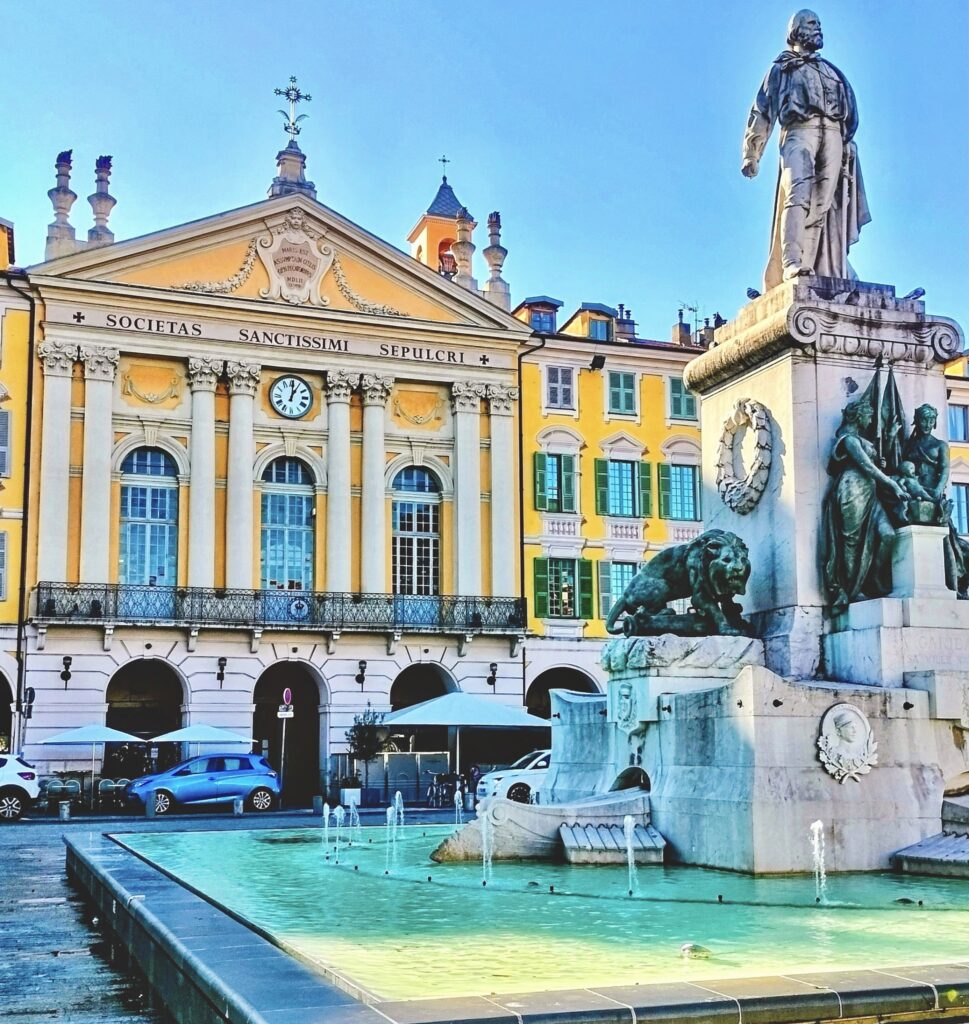
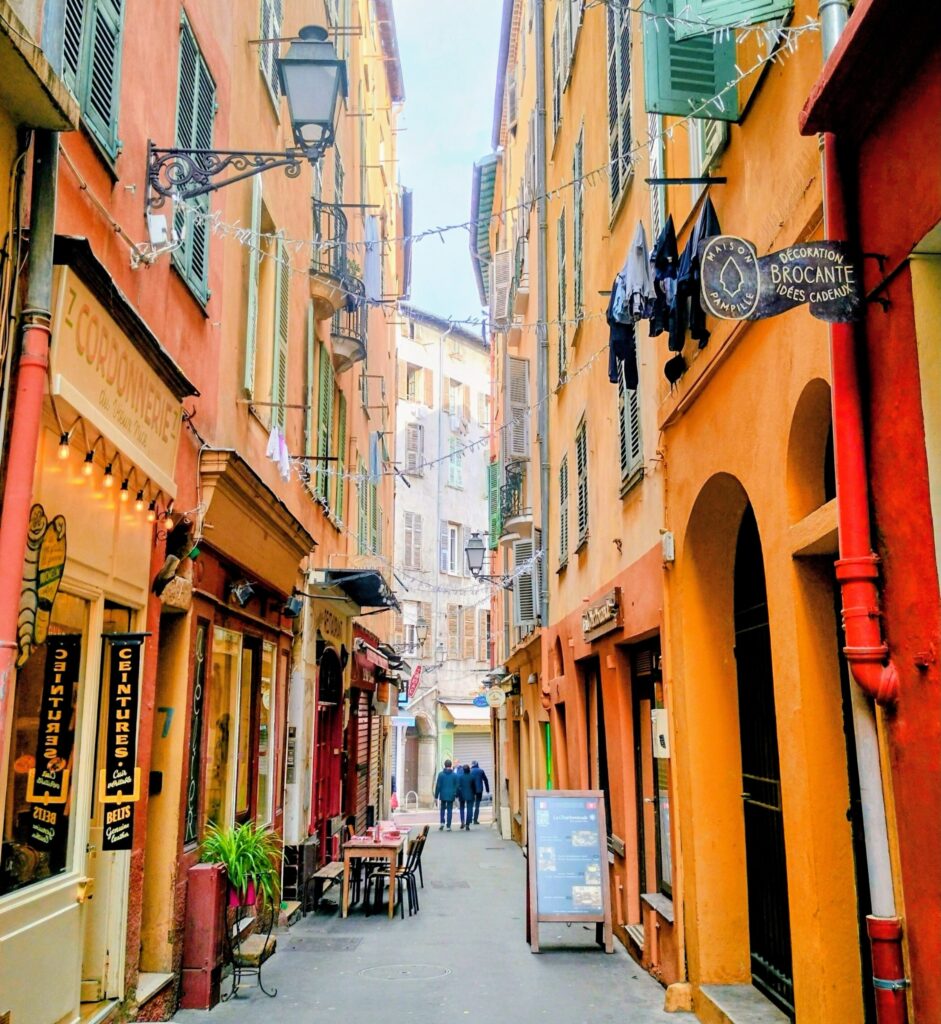
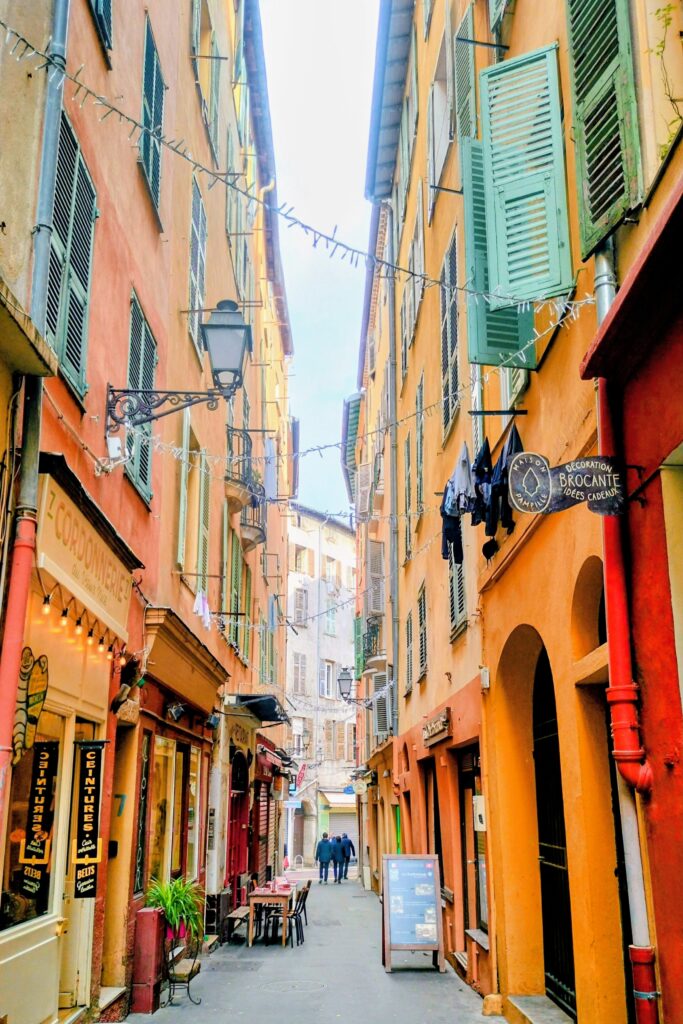
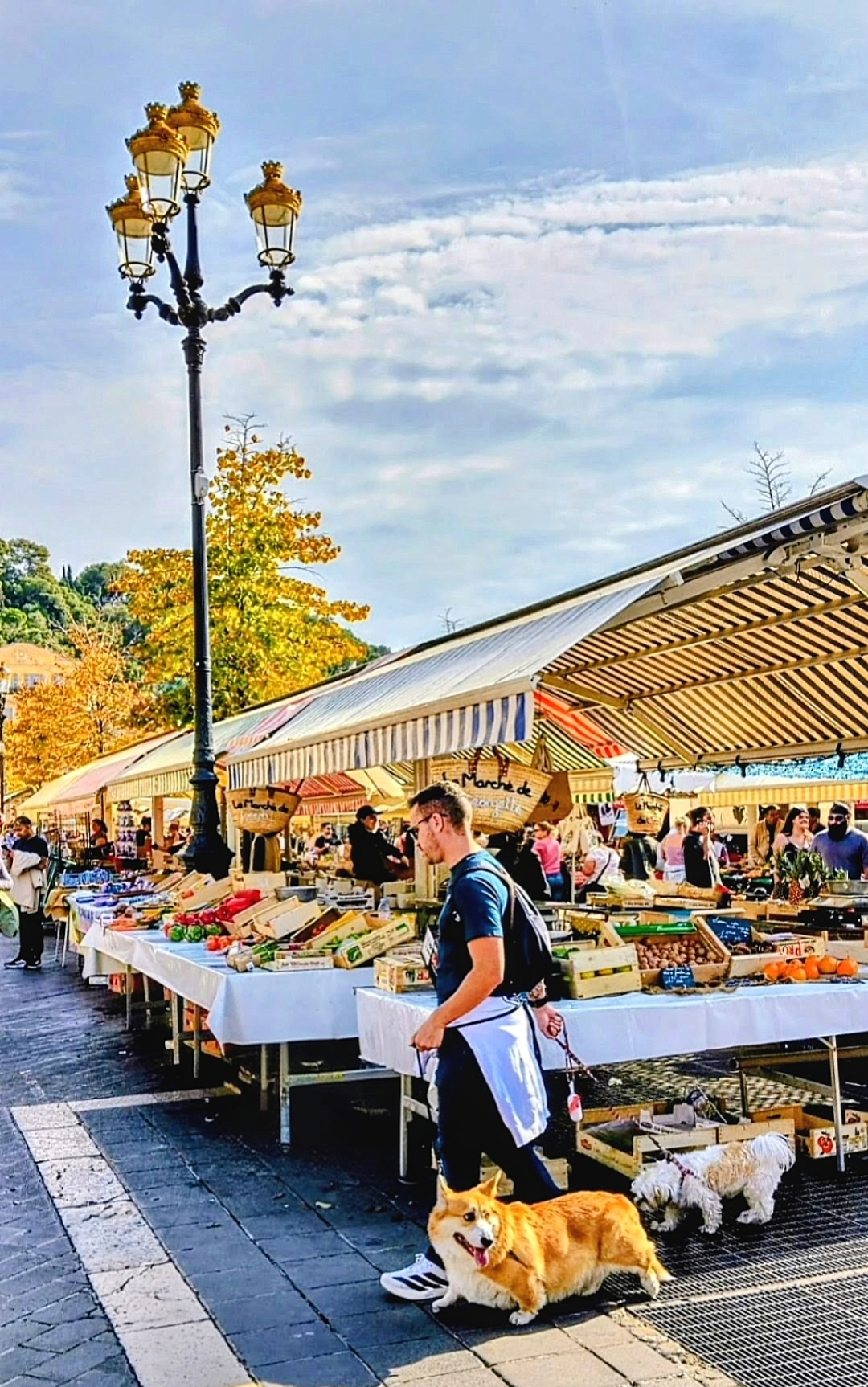
Nice’s Italian past continues to influence the city in many ways. It is most immediately felt in the Old Town, where street layouts favour compactness and shade, buildings rise tall and close together, and public spaces function as extensions of everyday life — places for daily encounters, markets, and shared routines.
Following this, French governance introduced order and regulation through more systematic administration and structured planning of streets, squares, and public spaces. The balance between these influences gives Nice a character that feels both informal and organised — relaxed in rhythm, yet clearly structured.
Tourism as Part of the City’s Development
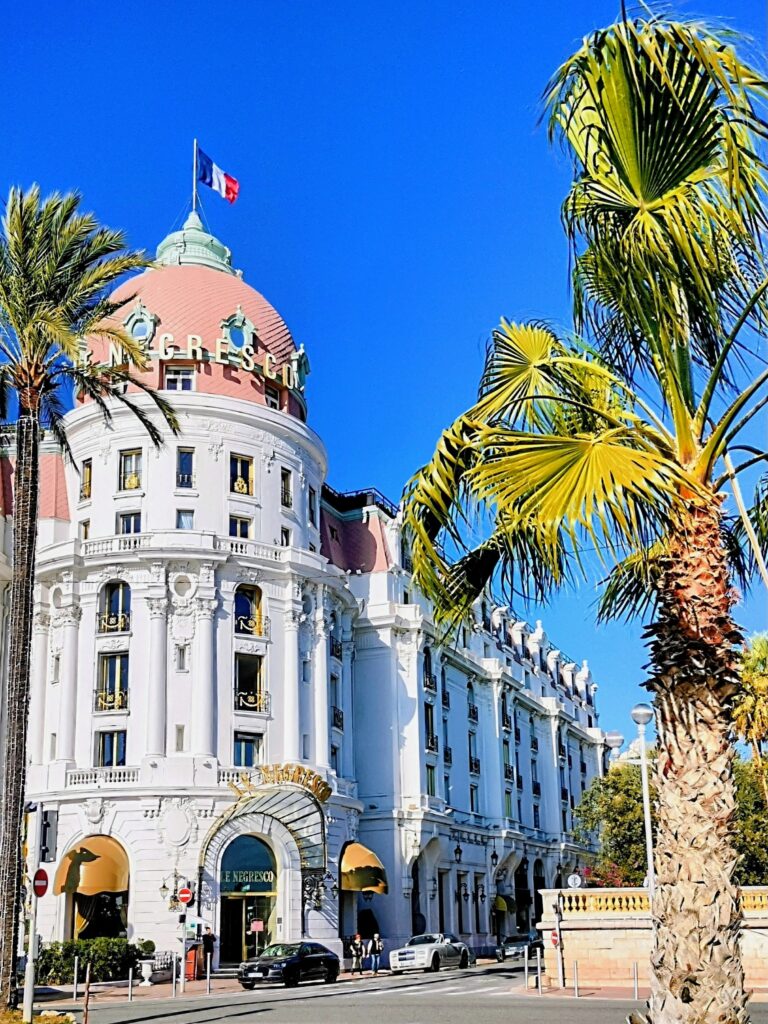
From the late 18th century onward, Nice began to attract visitors from elsewhere in Europe, gradually transforming parts of the city in response to this new role. Promenades, hotels, and public spaces were developed over time to accommodate seasonal life and longer stays, creating an urban framework that would later support a growing culture of leisure by the sea.
Rather than replacing the existing city, these additions formed another layer. Tourism became part of Nice’s structure — visible in its architecture and layout — while everyday life continued alongside it. This process transformed Nice in lasting ways, a development recognised in 2021 when the city was designated a UNESCO World Heritage Site.
How the City Is Organised
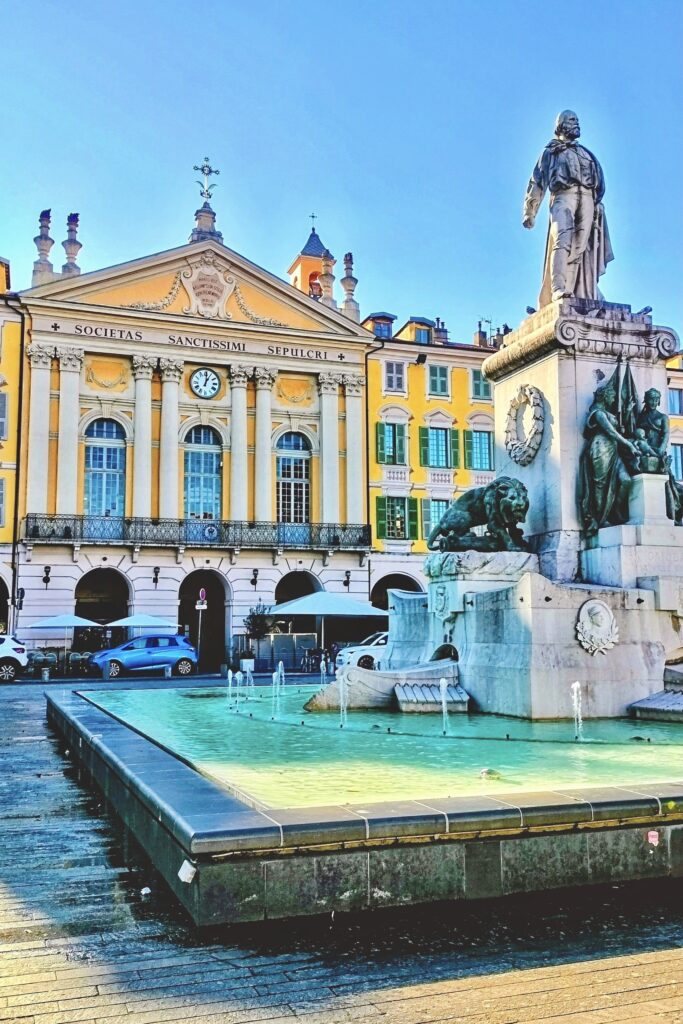
Nice is compact but varied. Wide avenues and open squares exist alongside narrow streets and tightly built areas. Transitions between these spaces often happen quickly, without clear boundaries.
Because of this, the city is best understood by observing how its parts connect rather than by focusing on individual sites. The logic of Nice lies in movement and sequence, not in symmetry.
Everyday Life and Continuity
Despite its long history as a destination, Nice remains firmly grounded in daily life. Many of the places visitors encounter — markets, neighbourhood cafés, public squares — exist first and foremost as part of the city’s routine, not as attractions designed to be observed.
These spaces follow local rhythms: changing throughout the day, adapting to seasons, and serving different purposes depending on time and use. This continuity gives Nice its lived-in character and creates an atmosphere where everyday life and visitors coexist without one fully overtaking the other.
Reading the City as a Whole
When seen with context, Nice becomes easier to understand. Its contrasts begin to feel intentional rather than confusing, and its structure reveals a certain coherence.
The city does not demand attention through spectacle alone. It is not designed only to be admired, but to be lived in. And it offers meaning to those willing to notice how history, space, and everyday life intersect.
Booking and Cancellation Policy